Diesel generator
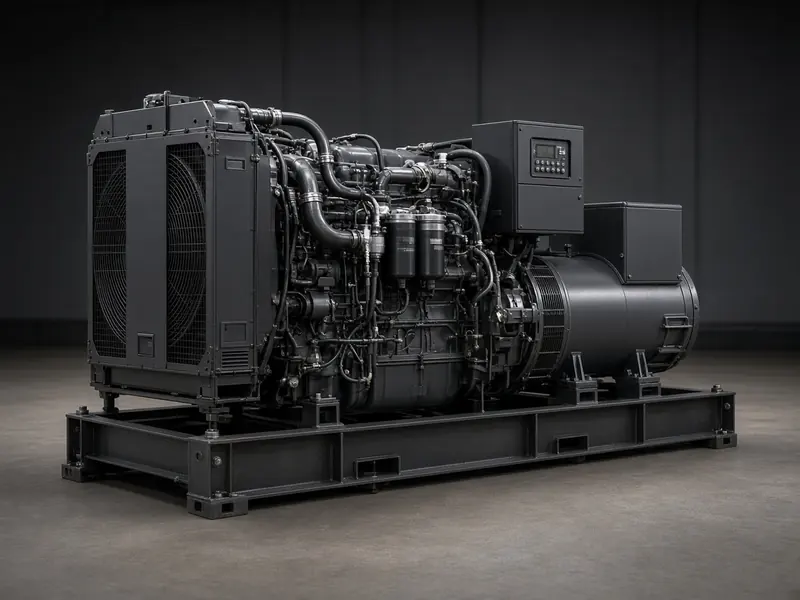
It burns diesel and is the usual choice for standby power in towers, factories, and facilities. Fuel can be stored on site, so the set does not depend on a gas network. On a 50 Hz supply, the common engine speed is 1500 rpm.
A practical sort by fuel, power, duty, enclosure, and phase. This is a selection guide, not a catalogue of one model.
Fuel type sets how energy is stored and what the site must provide.
It burns diesel and is the usual choice for standby power in towers, factories, and facilities. Fuel can be stored on site, so the set does not depend on a gas network. On a 50 Hz supply, the common engine speed is 1500 rpm.
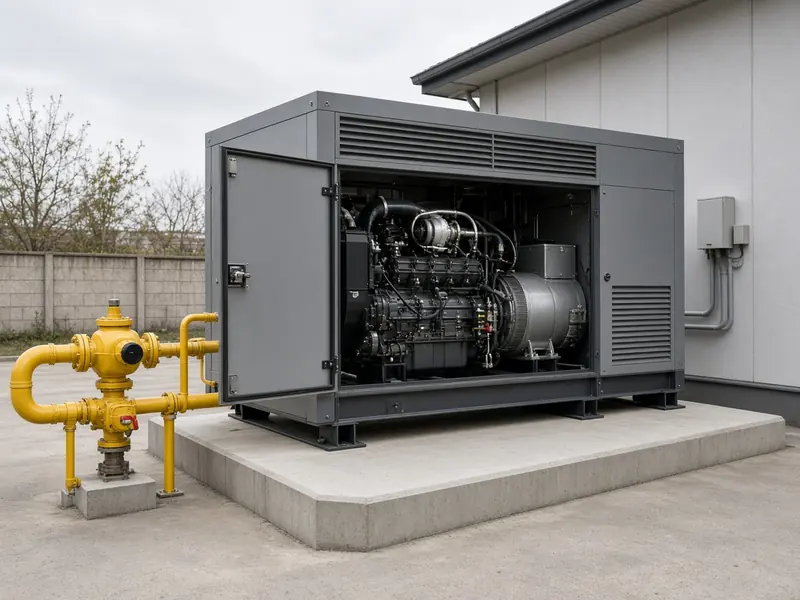
It runs on natural gas or LPG. Stored compressed gas is also called CNG. Noise and exhaust are often lower than diesel, but the gas supply must stay available. If exhaust and jacket-water heat are recovered as well, the correct name is combined heat and power (CHP). That is an operating mode, not a fuel type.
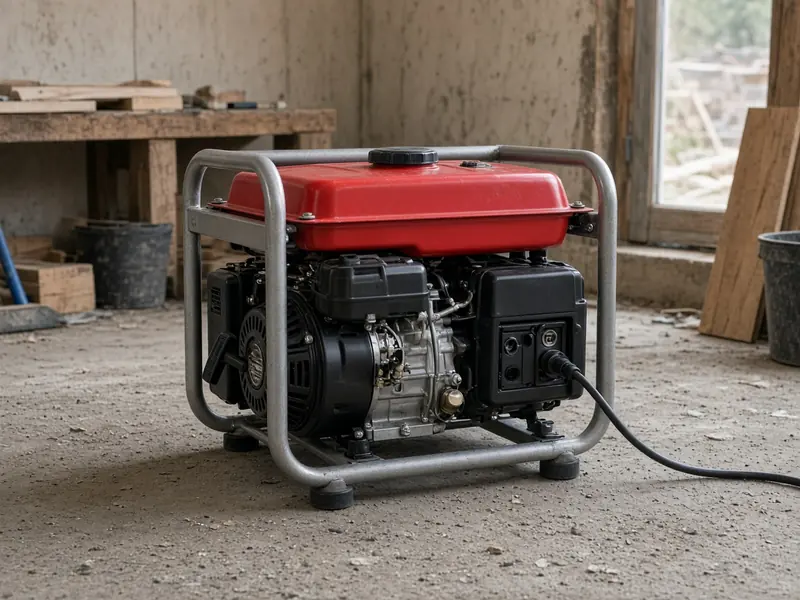
Output is low and the set is often portable. It suits temporary work and a small workshop. It is not the right choice for a tower, a factory, or long running hours.
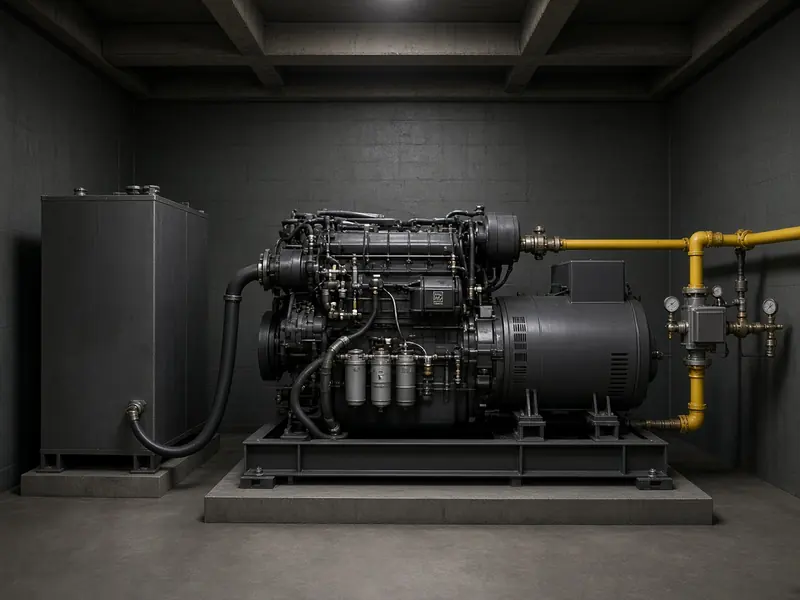
It can run on diesel and gas. If gas is lost, it stays on diesel. Fuel flexibility is higher, and maintenance is more involved than a single-fuel set.
Nameplate power is usually stated in kVA. Kilowatts depend on the load power factor. These bands are a first sort, not a substitute for a load study.
Workshops, houses, and light loads. Usually too small for a tower or a production line.
Standby power for a small building, a shop, or an industrial workshop.
A small tower, an office building, and a light factory, including lifts and part of the ventilation.
Factories, facilities, and towers with substantial motor and cooling load.
Large sites and projects where a power cut is expensive.
Heavy industry and backup power plants. Foundation, installation, and fuel routing are designed as their own job.
The same engine is sold with different nameplate duties, defined in ISO 8528. A higher number does not mean it can run continuously.
It runs only when the mains fails. Annual hours are limited, and the stated power is for that pattern.
It is the main source where the grid is missing or unreliable. Short overload is allowed only within the maker data.
It carries a nearly steady load for a long time. Continuous power is stated below the standby figure.
The enclosure decides noise, weather protection, and whether a separate room is required.
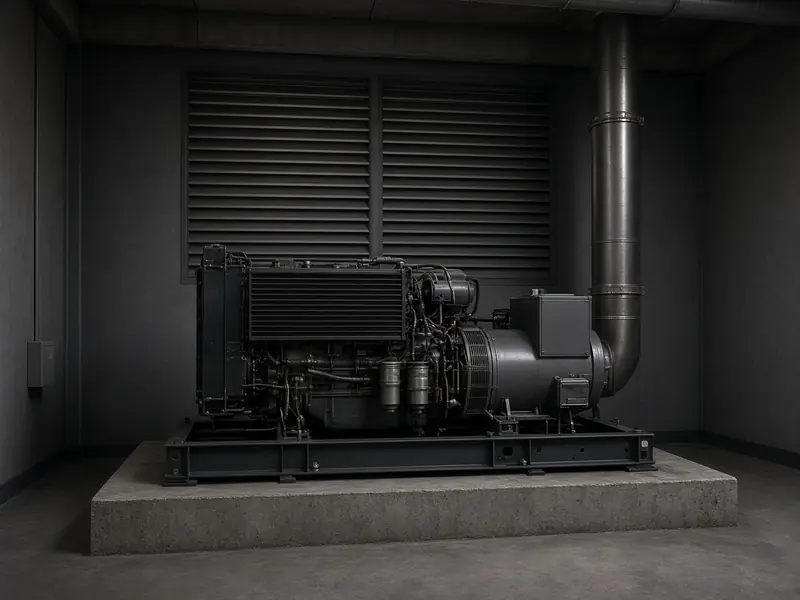
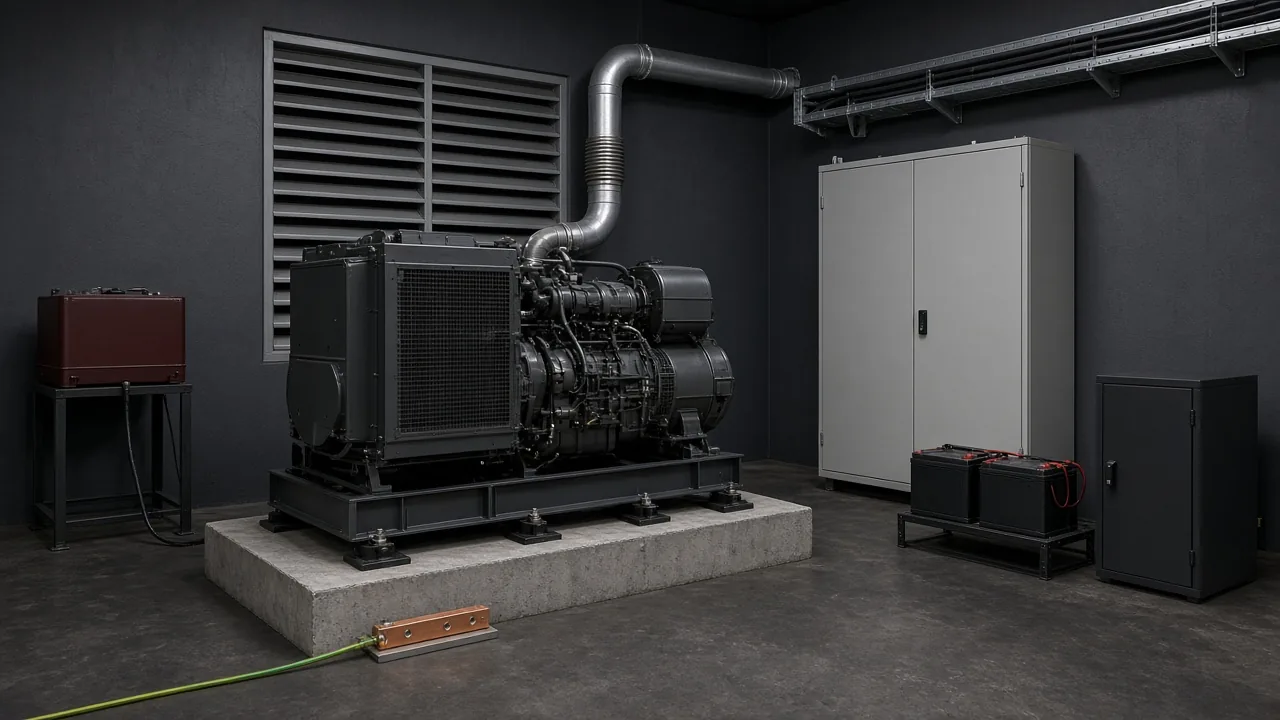
Parts stay accessible. It suits a generator room when ventilation and room noise control are designed separately.
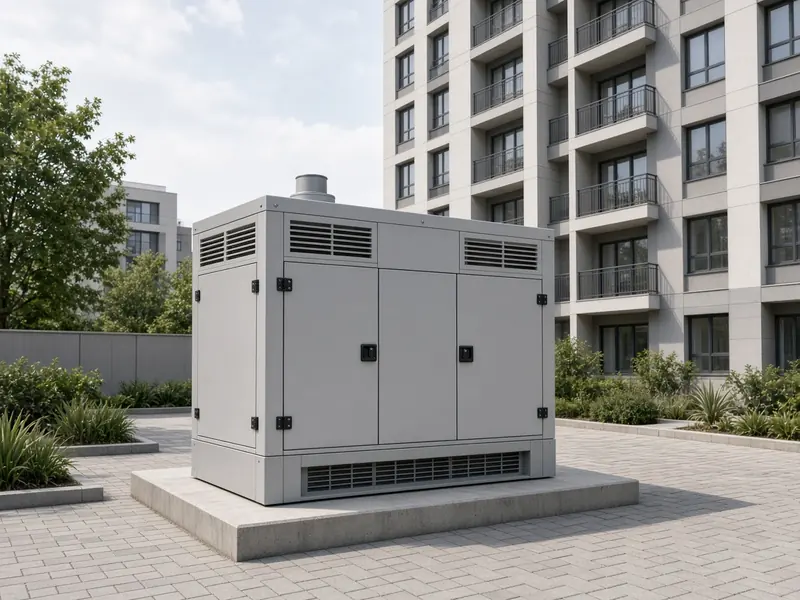
A weather cover. A silent canopy is used in a yard or on a roof when there is no separate room. Radiator discharge still has to stay clear.
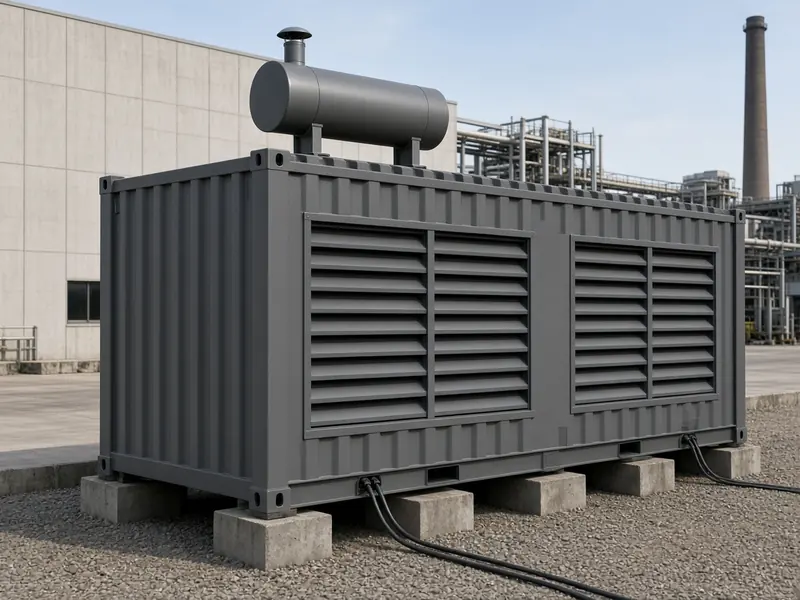
A ready room, often with switchgear and sometimes a tank. Delivery and siting are faster, but air, exhaust, and cables still have to be finished on site.
Output phase has to match the building switchboard and the motors.
Lighting and light workshop or house loads. It does not feed three-phase building motors.
The usual choice for a tower, factory, lift, pump, and ventilation. In Iran the common line voltage is 400 V.